BWS Appy Deals:
The Next Phase
Uplifting the future of BWS's Appy Deals experience to deliver value for both the customer and the business.
Summary
Appy Deals, BWS’s exclusive discount program was introduced to encourage the download and use of their app. The program was hitting volume targets but missing its strategic purpose: ability to tailor offers based on customer purchases.
The app had a growing user base and hundreds of millions of dollars in sales, yet nearly three quarters of transactions were completed that captured no customer data.
A combination of the program’s misunderstood value and usage friction pushed staff and customers around the app.
The sign-up journey was prioritised, testing multiple app onboarding approaches. I developed the eco-system to support the digital experience. A business case was sized with an estimated upside in the low millions of dollars a year.
Project Snapshot
Organisation: BWS (Endeavour Group)
My role: Service Designer in a squad with senior UX and product owner, leading the store and staff research, the service blueprint, synthesising into a leadership presentation and report
Timeframe: 12 weeks
Methods: In-store observation and interviews, document analysis, segmentation, usage and customer feedback data, competitor analysis, current state journey mapping, concept wireframing and user testing
Scale: Hundreds of thousands of monthly active users, strong year-on-year order growth, hundreds of millions of dollars in sales to date and a registered database in the millions
The Challenge
The program was growing, but not in the way the business needed. To power personalisation and improve ranging and retention, customers needed to register an account. Nearly three quarters of transactions captured no customer information. The program was hitting volume targets while missing the strategic intent.
Registered customers with a linked Everyday Rewards account spent more per order and ordered more often than guests. The stakes were clear in the numbers. Registration was the whole point. This was the gap to close.
Approach
Understand why through a service lens looking at people, processes, places, products, partners and performance together.
My research combined:
In-store observation and interviews with team members across six BWS stores in NSW
Document analysis of close to 40 research, strategy and launch documents
User segmentation and program usage data
Customer feedback on Appy Deals
Competitor analysis of best practice
Sign-up journey concepts were wireframed and user feedback sessions were conducted alongside my research.
Behavioural science gives us the diagnostic: Honeycomb Strategy defined key elements necessary for customers to actively engage with a loyalty program; establishing a framework for product improvement.
To ensure a fast start for a newly formed squad, I facilitated document analysis sessions with key squad members covering documents from launch strategy to customer experience and technical challenges. This approach both aligned our understanding and condensed a four-week discovery into three days.
What we learned
The In-store Experience
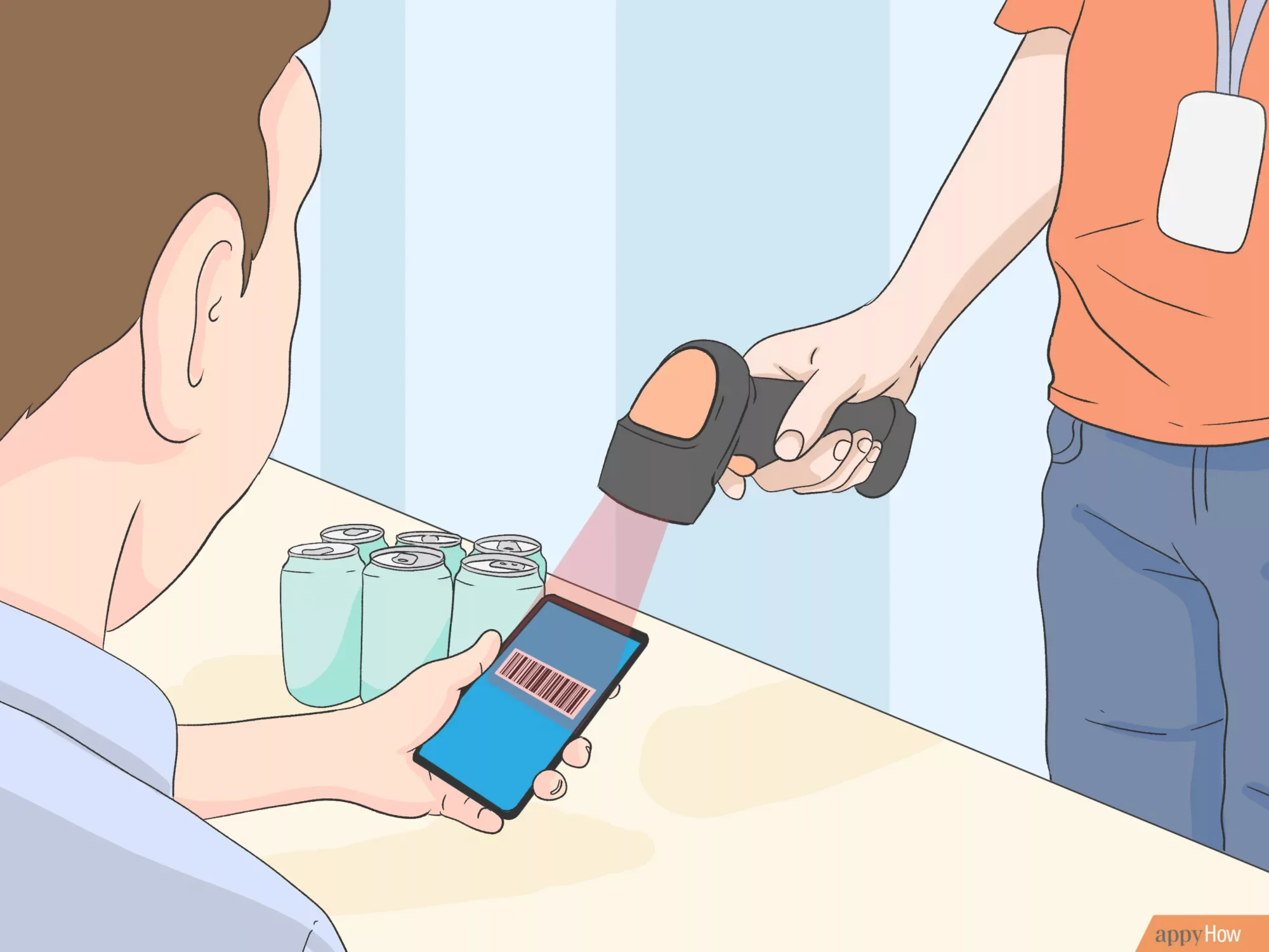
Nearly 50% of Appy Deals transactions at the checkout counter were triggered manually by staff
Roughly 1/4 of customers used the app in ‘guest mode’
Over 90% of new-to-app customers do not go on to sign up after a manually triggered staff redemption
Customers were being asked to do too much, too late
The 5+ step sign-up to become a member was an inconvenience when customers at the counter were already preparing to leave.
The sign-up and redemption experience in-store was also impeded by poor reception, slow app load times and constant logged-out app.
Store teams improvised without adequate support
Team members had no training beyond a single page cheat sheet to help answer customer questions when the program launched. When customers probed further, each store invented its own ‘spiel’ to maintain customer confidence.
Sign up targets conflicted with queue pressure. Staff valued maintaining customer goodwill, leading to the overuse of the manual discount mechanism, especially during peak periods.
Weak Value Proposition and Confusion
The “why” was missing
The program’s value wasn’t well articulated beyond needing the app to receive a discount.
The introduction of the app also confused existing customers used to triggering discounts through their Everyday Rewards (EDR) membership.
Many assumed they should already receive app pricing. As one store manager summed it up: Customers saw the app as an unnecessary extra step getting in the way of discounts.
Sign-up lost customers before they linked
Data revealed that registered customers with a linked Everyday Rewards account spent more per order and ordered more often than guests. However, roughly 1/7 people who started registering never finished.
Inside the app, more than 1/2 who started registering dropped off before reaching the link EDR button and fewer than 1/3 of app users had linked their EDR account.
Connecting the dots
According to Honeycomb Strategy (Adapting BJ Fogg's model for behaviour change), in order for a customer to actively engage with a loyalty program, three elements need to come together.
Motivation - The person has to want to do it.
❌ - Unclear Value Proposition
Ability - The person has to be able to do it
❌ - Technical and operational issues
Prompt - Something has to remind or trigger them to engage
⚠️ - Conflicting staff pressures
While the frontline team were doing their best to convert customers, motivation and ability were failing.
Future state
Hypothesis
By collecting a single piece of contact data at the counter when shopping in-store, we can follow up with motivated customers, lift registration and grow a database that powers personalisation.
Principles and Opportunities
Start with the customer’s reality, not our ideal state
Digital wallet card, which gives access without costly reception upgrades and fits how many younger customers prefer to redeem
Make it simpler, with more ways to join
Communication strategy encouraging onboarding and linking before the store visit through timely nudges such as push notifications.
The option to sign up or redeem at the checkout using a phone number, a model customers already know from other retailers.
Give customers a reason to return
Personalisation and exclusive value beyond price. Industry research found roughly a third of Australians want exclusive access and almost a quarter want personalised recommendations.
Empower the people who deliver the experience
Clarity, tools and agency for store teams, with support that enables rather than targets that feel punitive.
Reflection
The biggest lesson was that high volume can hide a weak strategy. The headline numbers looked healthy, and it took frontline observation to show that most of the growth was not capturing the data the program existed for.
What I took from it:
Go to the frontline. Store teams revealed workarounds that no dashboard showed.
Pair stories with numbers. Quotes explained the behaviour and usage data sized it.
Design for how customers really shop, not how we want them to shop.
Lead with the ‘why’. A discount alone gave customers no reason to register